
Lue tämä postaus suomeksi:
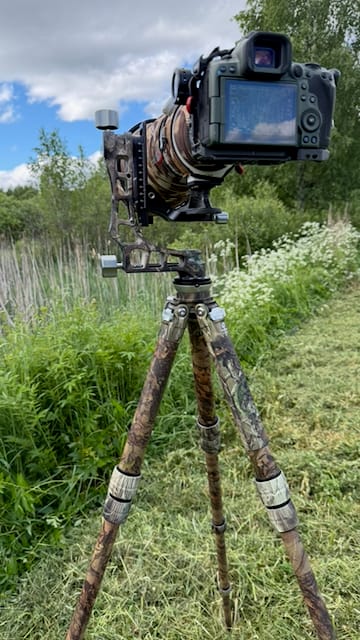
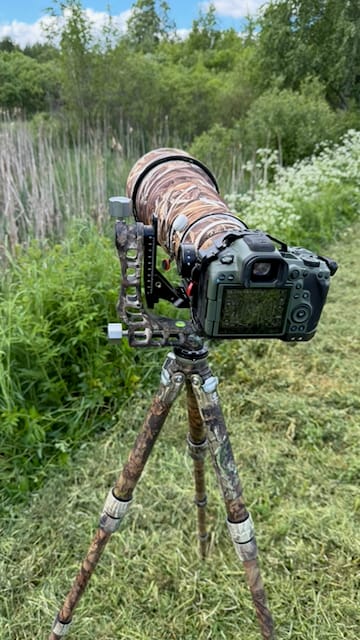
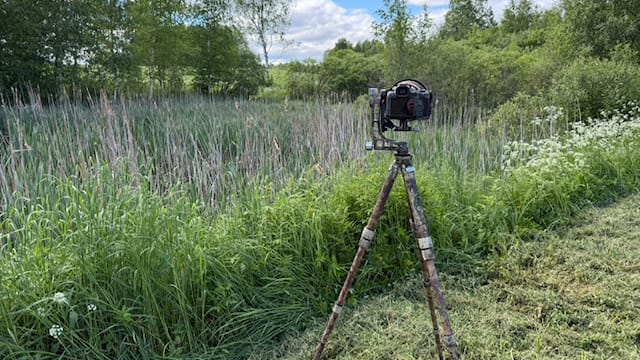
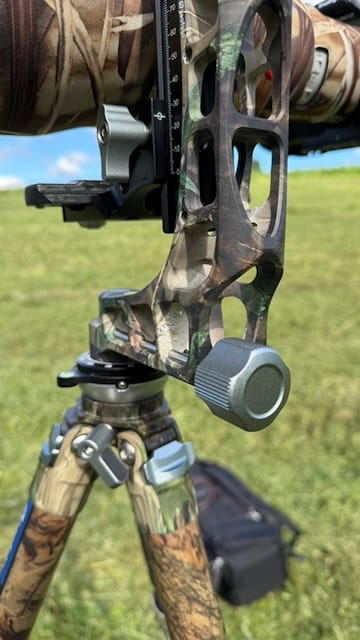
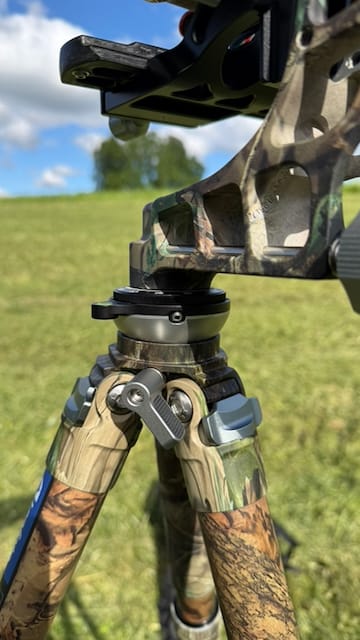
Nature in June is starting to be at its best, and the reedbeds are buzzing with life. I headed out for a short photography trip to test a new tripod setup that has been waiting to get into action: the Leofoto LS-365CEX carbon fibre tripod paired with the PG-1 Full Camo gimbal head.
When purchasing this, I was torn for a long time between two options: whether to buy the best possible gimbal head (which would have been made by Zenelli) or to upgrade my tripod as well. My old tripod and gimbal combination had been reasonably functional, but it had a few minor drawbacks that I wanted to fix. Also, a matching camouflage set by Leofoto was a direction I really wanted to take. Camouflaging a Zenelli head and my current tripod with separate neoprene sleeves, for example, would have already set me back 100 to 200 euros.
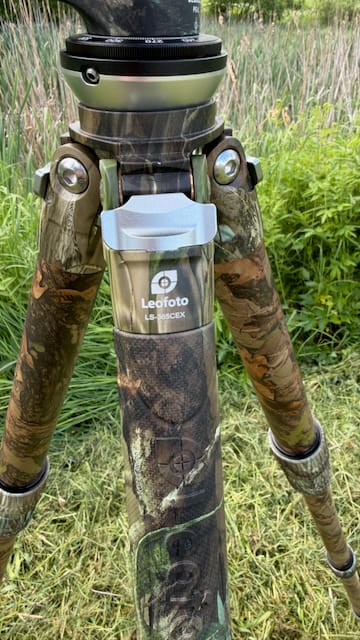
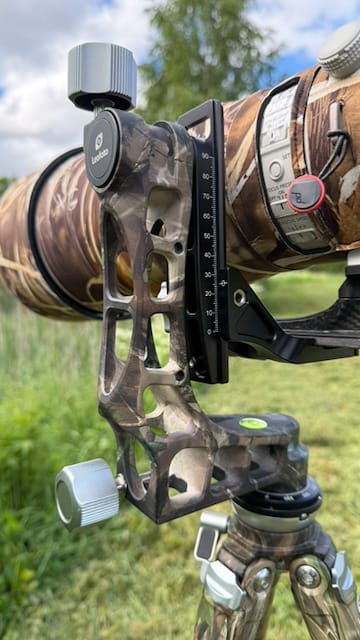
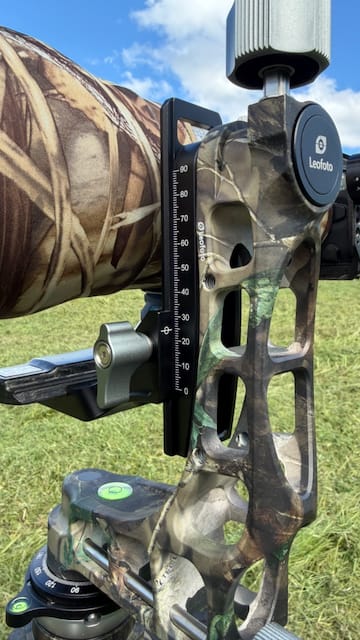
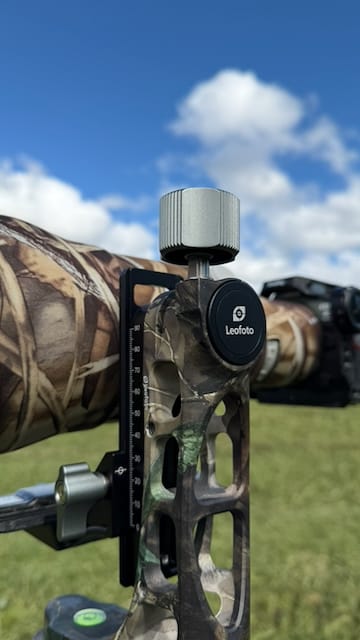
With this new set, the first thing that catches your eye is, of course, the appearance. This is a special edition designed for wildlife photographers, where both the carbon fibre legs and the aluminium parts of the gimbal are finished in a camouflage pattern. This is not some easily peeling protective tape; the pattern is painted directly onto the surface for long-lasting durability. It feels high-quality to the touch and bodes well for those trips where you don’t have time to worry about scratches during heavy use.
Here are some practical observations based on a first brief field test. (Text continues below photos)
Tripod Construction
The 5-section legs are made of 10-layer, cross-rhombus woven Japanese Torayca carbon fibre. This multi-layered structure, with fibres running at different angles, significantly improves the tripod’s twisting stiffness. In practice, this means the legs won’t twist or flex sideways under a heavy telephoto lens. Furthermore, carbon fibre absorbs micro-vibrations caused by wind or the camera shutter much more effectively than aluminium. That said, camera-induced micro-vibrations are mostly a thing of the past for me anyway, since I always use the camera’s electronic shutter.
Even though a 5-section leg collapses into a small footprint for transport, the tube diameters are smartly designed: the thickest top tube is a solid 36 mm, and even the thinnest bottom section is still 22 mm. Thanks to this, the setup remains stable and reliable even when all leg sections are fully extended. The twist locks on the legs require just a short turn, making setup quick and easy.
Straight Horizon in Seconds: The CEX Series Leveling Base
Chosen for this setup, the Ranger-series LS-365CEX immediately proved its worth on uneven ground. The trick with this model is the built-in levelling base.
Anyone who has spent time outdoors knows how frustrating it is to try to adjust three different legs centimetre by centimetre to get a straight horizon in soft terrain or on a slope. With the CEX model, you just plant the tripod roughly in place, unlock the levelling base, and adjust the top until it’s perfectly level using the built-in bubble level.
When the tripod base is level, the gimbal mounted on top rotates perfectly flush across a full 360 degrees. This is an absolute necessity to ensure that tracking flying birds and shooting panoramas keeps the horizon correctly aligned.
A Weightless Feel in the Field: PG-1 Camo Gimbal Head
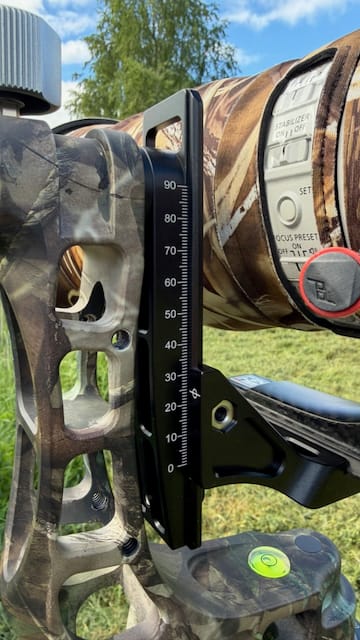
Long days with a heavier telephoto lens quickly take a toll on your arms, so a good gimbal head is directly linked to shooting ergonomics. CNC-machined from aluminium, the Leofoto PG-1 features a skeleton design that keeps its weight down to around one kilogram, while still carrying a heavy lens with ease.
Once you balance the camera body and lens combination horizontally using the Arca-Swiss quick-release plate and vertically with the gimbal’s clear millimetre scale, the gear becomes practically weightless.
Tested in the field, the movement of the PG-1 was just as silky smooth and effortless as you would expect from gear of this calibre. You can leave the camera at any angle, and it stays put without needing to lock it down. Tracking flying targets feels natural, and the head doesn’t resist quick changes in direction. The adjustment and locking knobs are large enough to get a good grip on, even when wearing gloves. They are also well-positioned for quick locking—for instance, if I want to lock the camera securely in place due to high winds.
First Impressions in a Nutshell
Based on this first short outing, this Leofoto Camo combination seems like exactly the tool I was looking for. It offers a good balance of mobility, solid stability, and quick usability. The carbon fibre dampens micro-vibrations effectively, and the durable camouflage finish helps the gear blend into the environment.
As a whole, the tripod and gimbal provided excellent support for my camera and 600mm f/4 super-telephoto lens combination. At no point during use did the setup feel shaky. On the contrary, it could have easily handled even more weight with guaranteed performance.
This setup will surely be a long-lasting companion for future photography excursions.