
Viime viikonlopun kalenteri tarjosi tavallista enemmän vapaata, ja kun sääkin suosi, oli täydellinen hetki suunnata maastoon. Ohjelmassa oli vierailuja tutuissa vakiokohteissa, mutta mahtui mukaan yksi aivan uusikin tuttavuus.
Tässä katsaus pitkän viikonlopun kuvausretkiin, joiden aikana pääsin todistamaan kevään etenemistä ja lintumuuton huipennusta.
Uutta tornia katsastamassa, ilman kalustoa
Aikaisin lauantaiaamuna päätin lähteä käymään lintutornilla, jossa en ollut koskaan aikaisemmin vieraillut. Kyseessä on lintuharrastajien vakiopaikka, joka sijaitsee aivan kaupungin kupeessa, suuren järven ruovikkoisessa lahdessa.
Tornille johti muutaman sadan metrin mittainen pitkospuureitti. Heti kävelyn aikana puustosta kuului jotain odotettua: satakieli lauleskeli täyttä kurkkua. Se oli ensimmäinen kunnon havaintoni lajista tänä keväänä.
Itse tornilla oli jo kaksi bongaria tarkkailemassa etelän suunnasta saapuvia muuttolintulauttoja. Olin jättänyt tällä kertaa kameran ja jopa kiikarit tietoisesti autoon, tyydyin vain katselemaan maisemaa ja vaihtamaan muutaman sanan muiden paikallaolijoiden kanssa.
Yleisesti ottaen lintutorni on valokuvauksen kannalta melko huono paikka, elleivät linnut lennä aivan tornin vieritse. Tämäkin paikka vahvisti säännön: torni seisoi ison järven rannassa, ja sitä ympäröi korkea ruovikko lähes joka suuntaan. Kiikarilla ja kaukoputkella lintuja pystyi havainnoimaan sieltä mainiosti, mutta hyvien valokuvien saaminen olisi ollut käytännössä mahdotonta. Tiesin tämän toki jo etukäteen, mutta halusin silti käydä kokemassa paikan.
Peltoaukean rauhaa ja kevään ensimmäinen pöllö
Tornilta jatkoin matkaani tutulle ja hyväksi havaitulle valokuvauspaikalle, eräälle suurelle peltoaukealle. Laitoin kameran tukevasti kolmijalalle ja kiikkuun, otin kiikarit käteen ja aloin haravoida ympäristöä odotellessani tilanteita.
Peltoaukea on sen verran laaja, että siellä jo valmiiksi oleilevat linnut. Pääasiassa siis hanhet, kurjet, töyhtöhyypät ja muutamat joutsenet pysyttelivät kaukana kuvausetäisyyden ulkopuolella. Luontokuvauksessa homma perustuukin usein siihen, että odotetaan lintujen lentävän suoraan kohti. Silloin on oltava valmiina painamaan laukaisin pohjaan.
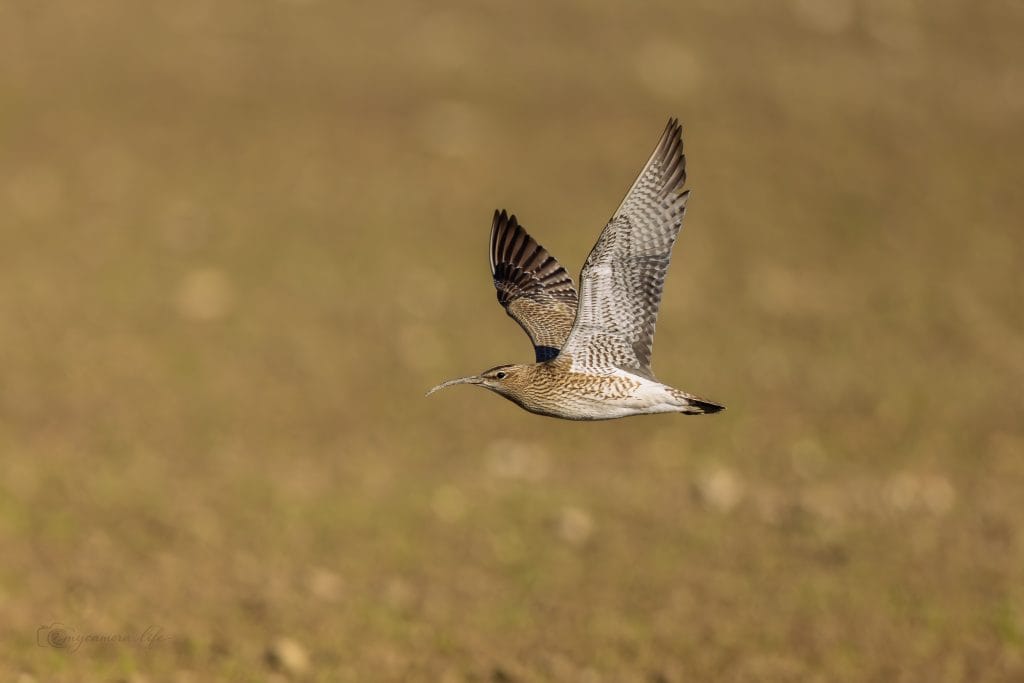
Sää oli keväisen lämmin, eikä minulla ollut kiire mihinkään. Pian odotus palkittiin, kun uroskuovi lensi hienosti suoraan hollille. Sain siitä kauniita lentokuvia. Sanoisin, että editoinnin jälkeen rehelliset neljä tähteä.
Yhtäkkiä huomasin liikettä pellon reunassa oikealla puolellani. Sieltä pyyhälsi lentoon kevään ensimmäinen pöllöni, joka paljastui hiiripöllöksi! Se ei valitettavasti kaartanut kuvausetäisyydelle, vaan laskeutui kauas pellolle istumaan ja lensi muutaman minuutin kuluttua kokonaan pois. Sain siitä kuitenkin dokumenttikuvat lajitunnistusta varten. Pöllökuvia minulla ei ennestään juuri ole, ja pöllöt olisivatkin lajiryhmänä sellainen, jonka ottaisin mielelläni kuvausprojektiksi. Yhden pöllövalokuvauksen kurssinkin olen tullut aikoinaan käyneeksi.
Päivän edetessä tilanteet peltoaukealla rauhattuivat, joten pakkasin tavarat ja palasin kotiin.
Sunnuntai-illan uusintaottelu: Kurkia ja reviirikiistoja
Päätin palata samalle peltoaukealle seuraavana iltana, ja se kannatti – toimintaa riitti tälläkin kertaa.
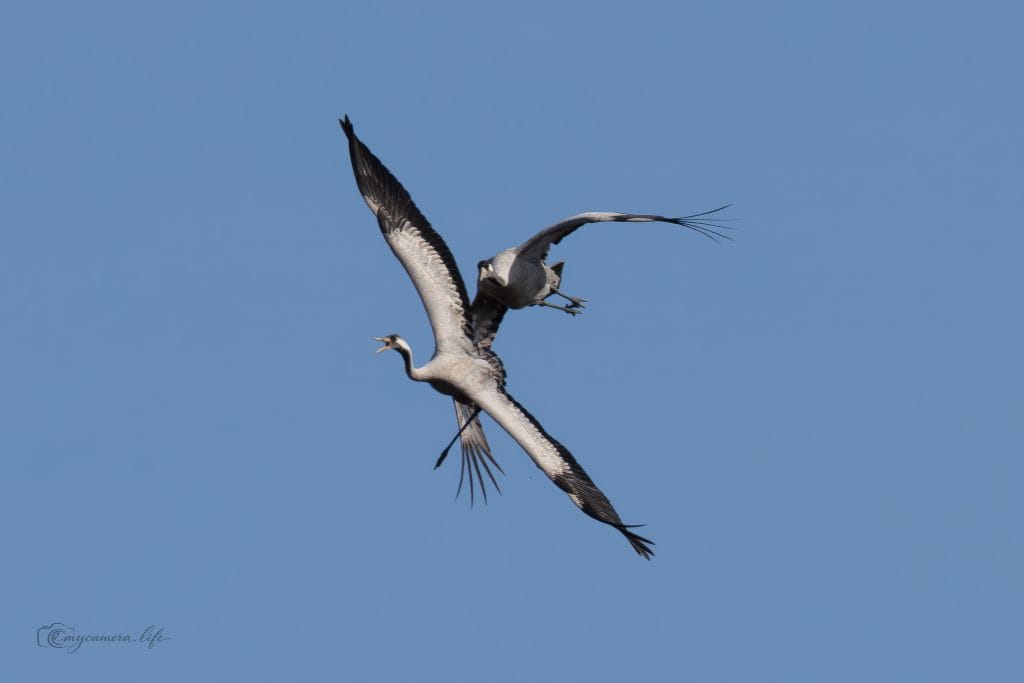
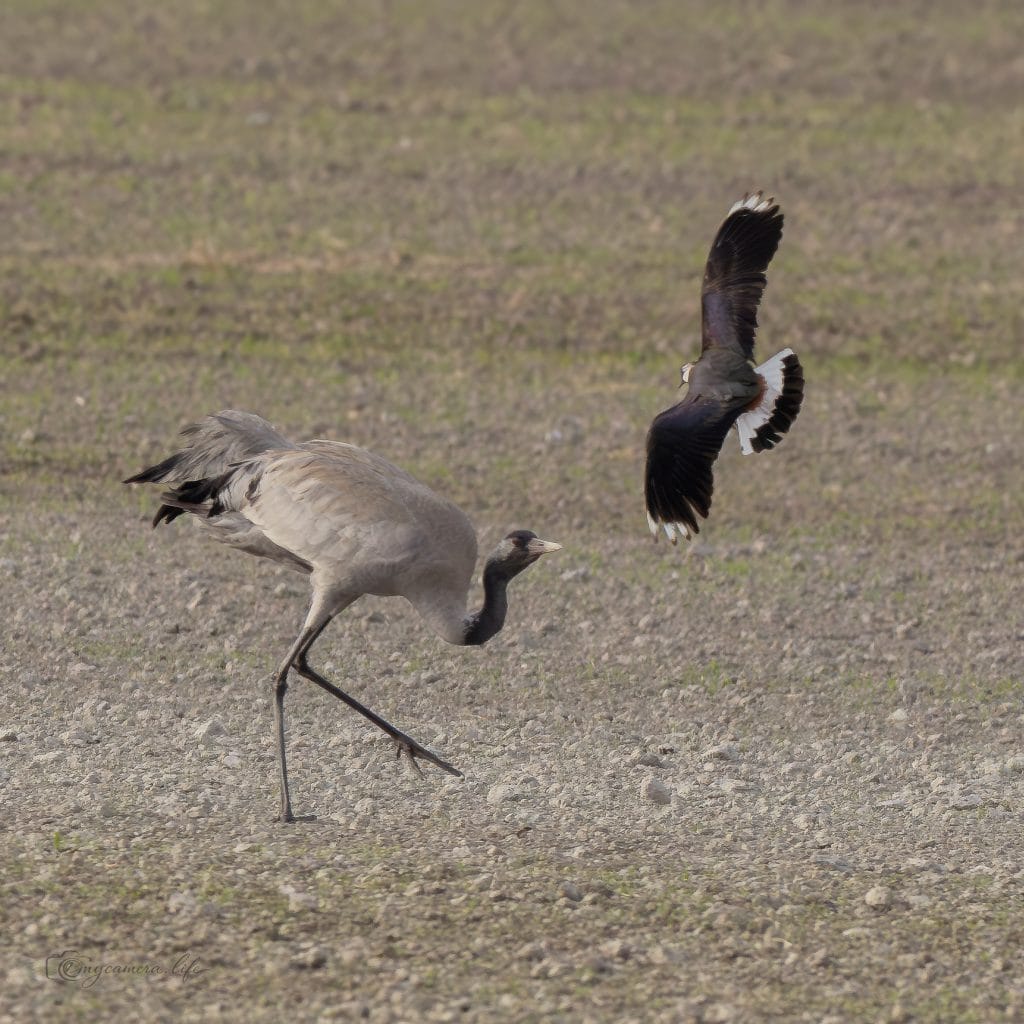
Sain tallennettua kohtuullisia lentokuvia kurjista, jotka hieman tönivät toisiaan ilmassa. Pääsin myös seuraamaan mielenkiintoista seurapeliä maassa, kun töyhtöhyypät kävivät vuorotellen härnäämässä pellolla seisovaa kurkea. Kurki otti tilanteen rauhallisesti ja väisteli kohti syöksyvää, erittäin reviiritietoista hyyppää vain pitkää kaulaansa liikuttelemalla. Mitään sen suurempaa rähinää tilanteesta ei syntynyt, mutta seurattavaa riitti.
Illan paras hetki osui kuitenkin vasta kotimatkan alkuun. Kävellessäni kameran ja jalustan kanssa takaisin kohti autoa, huomasin vain noin 20 metrin päässä tien vieressä kuovikoiraan. Se lauleskeli ja asteli rauhallisesti eteenpäin. Koska kamerassa oli kiinni 600 mm:n objektiivi, matka oli juuri passeli ja sain lajista todella hyviä, tarkkoja kuvia.
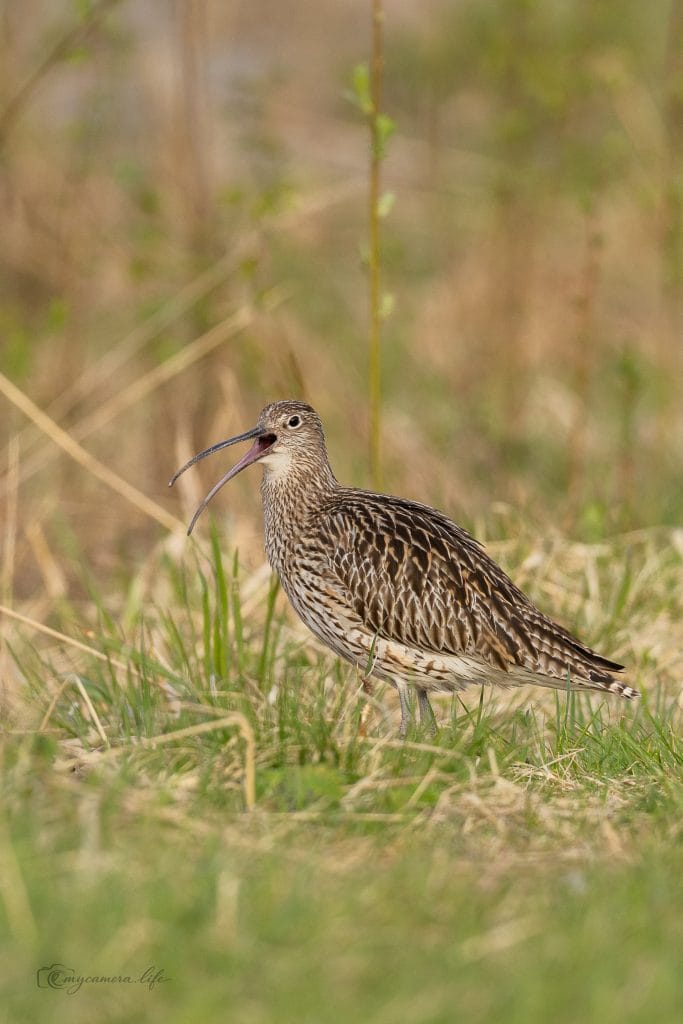
Itse maasto kuovin ympärillä ei ehkä ollut sieltä kaikkein kuvauksellisimmasta päästä, mutta nyt kuovikuvavarasto on joka tapauksessa hyvällä mallilla. Noin kymmenen minuutin kuluttua kuovi kyllästyi soidinhuutoihinsa ja poistui paikalta lentäen. Jälkikäteen ajateltuna tilanne oli niin hieno ja rauhallinen, että pelkkien still-kuvien lisäksi siitä olisi ehdottomasti kannattanut ottaa myös videota.
Katse tulevaan – ja mystinen lisävaruste
Olemme parhaillaan arktisen lintumuuton (Arktika) kuumimmassa huippukohdassa. Tämä vaihe menee ohi nopeasti; jo muutaman päivän kuluttua suurin liike on ohi, kun saapuneet muuttolinnut siirtyvät pesimään ja rauhoittuvat omille alueilleen.
Aion kuitenkin palata tälle peltoaukealle säännöllisesti pitkin kesää. Alueella on nimittäin mainiot mahdollisuudet päästä kuvaamaan haukkoja ja muita paikallisia peltoalueen lintuja.
Kannattaa myös pysyä kuulolla tulevien blogitekstien suhteen! Minulla on nimittäin parhaillaan hankinnassa eräs erittäin jännittävä lintukuvaajan lisävaruste. Se tulee luultavasti muuttamaan tekemistä ja tuomaan kuviini täysin uudenlaisen näkökulman. Siitä lisää pian!
In English
Field Story: A Spring Long Weekend at Go-To Spots and a New Bird Tower
The calendar offered a bit of extra free time last weekend, and with the weather on my side, it was the perfect opportunity to head out into the field. The plan included visits to a few familiar go-to spots, but there was also room for one completely new acquaintance.
Here is a look at my long weekend’s photography outings, during which I got to witness the progression of spring and the peak of bird migration.
Scouting a New Tower, Without Gear
Early Saturday morning, I decided to check out a birdwatching tower I had never visited before. It’s a well-known spot among local birders, located right on the edge of the city in a reedy bay of a large lake.
The tower was accessed via a duckboard trail, a few hundred meters long. Right during the walk, I heard a very welcome sound from the trees: a nightingale singing at the top of its lungs. It was my first proper observation of the species this spring.
At the tower itself, two twitchers were already scanning the horizon, spotting flocks of migratory birds arriving from the south. I had deliberately left my camera and even my binoculars in the car this time; I was content just taking in the view and exchanging a few words with the others.
Generally speaking, a bird tower is a pretty poor spot for photography unless the birds happen to fly right past it. This location was no exception to the rule: the tower stood on the shore of a massive lake, surrounded by tall reeds in almost every direction. While you could observe the birds beautifully with binoculars and a spotting scope, getting good photographs would have been practically impossible. I knew this beforehand, of course, but I still wanted to go and experience the place.
The Peace of the Fields and the First Owl of Spring
From the tower, I continued my journey to a familiar and proven photography spot, a large open field area. I set up my camera securely on the tripod and gimbal head, grabbed my binoculars, and started scanning the surroundings while waiting for some action.
The fields are vast, and there were already quite a few birds. Mainly geese, cranes, lapwings, and a few swans, and they stayed well outside of shooting range. In wildlife photography, it often comes down to waiting for the birds to fly directly toward you (or perching). When they do, you have to be ready to press the shutter button down.
The weather was spring-like and warm, and I was in no rush. Soon, the wait paid off as a male Eurasian curlew flew beautifully right into the frame. I got some great flight shots of it. I’d say a solid four stars once edited.
Suddenly, I noticed movement at the edge of the field to my right. Flying out from there was my first owl of the spring, which turned out to be a northern hawk-owl! Unfortunately, it didn’t curve into camera range but landed far out in the field and flew away completely after a few minutes. However, I did manage to get sharp enough shots for a definitive identification. I don’t have many owl photos to begin with, and they are a group of species I would love to take on as a dedicated photography project. I actually took an owl photography course once.
As the day progressed, things quieted down in the fields, so I packed up my gear and headed home.
Sunday Evening Rematch: Cranes and Territorial Disputes
I decided to return to the same fields the following evening, and it was well worth it—there was plenty of action this time around, too.
I managed to capture decent flight shots of cranes bumping into each other in mid-air. I also got to watch an interesting game on the ground, as northern lapwings took turns harassing a crane standing in the field. The crane took it all in stride, dodging the swooping, highly territorial lapwings simply by moving its long neck. No major brawl broke out, but it was fascinating to watch.
The best moment of the evening, however, didn’t happen until the start of my trip home. As I was walking back toward my car with my camera and tripod, I noticed a male Eurasian curlew just about 20 meters away by the roadside. It was singing and walking around calmly. Since I had my 600mm lens attached to the camera, the distance was absolutely perfect, and I got some really good, sharp photos of the bird.
The terrain around the curlew wasn’t exactly the most picturesque, but either way, my curlew photo archive is now in great shape. After about ten minutes, the curlew grew tired of its display calls and flew away. Looking back, the situation was so beautiful and peaceful that I absolutely should have shot some video in addition to just still photos.
Looking Ahead – And a Mysterious Accessory
We are currently at the absolute peak of the Arctic bird migration (Arktika). This phase passes quickly; in just a few days, the heaviest movement will be over as the arrived migratory birds transition to nesting and settle into their respective areas.
However, I plan to return to these fields regularly throughout the summer. The area offers excellent opportunities to photograph hawks and other local field birds during the summer months.
Be sure to stay tuned for future blog posts, too! I am currently in the process of acquiring a very exciting accessory for bird photography. It will likely change the way I shoot and bring a completely new perspective to my images. More on that soon!