
Joulupyhien jälkeen teimme pienen retken jouluvieraiden kanssa. Kohteeksi valikoitui Konneveden Siikakoski, jossa olin jo syksyllä muutamaan otteeseen kuvannut alueen lintuja. Paikka oli siis ennestään tuttu, mutta talvinen koski tarjoaa aina omanlaisensa tunnelman.
Sää suosi retkeä. Aurinko paistoi kirkkaasti, tosin matalalta, ja taivas oli syvän sininen. Pakkasta oli vain asteen tai pari, juuri sopivasti talvikeliksi ilman purevuutta. Otin mukaani kameran ja monopodin. Kun vieraat lähtivät kävellen tutustumaan koskialueeseen ja Konneveden satamaan, jäin itse kosken rannalle kuvaamaan.
Ei kulunut kauaakaan, kun huomasin kolmen koskikaran lentelevän kiveltä toiselle. Pian pääsin seuraamaan ja kuvaamaan niiden touhuja lähietäisyydeltä. Koskikara etsii ravintonsa joen pohjasta ja vedenalaisilta kiviltä, ja on erinomainen sukeltaja. Se kuuluu Pohjois-Skandinavian vakituisiin asukkaisiin ja muuttaa talveksi vain hieman etelämmäksi. Nämäkin yksilöt saattavat olla peräisin Ruotsin tai Norjan pohjoisilta jokialueilta.
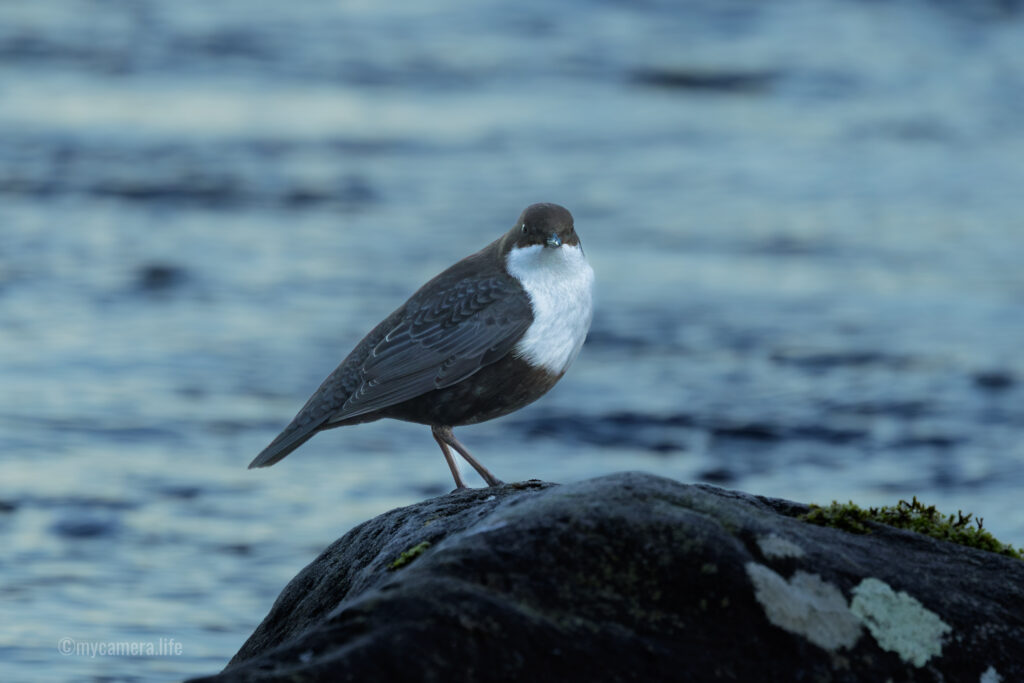
Koskikara on poikkeuksellisen karaistunut lintu. Se kestää kovankin pakkasen, kunhan virtaava vesi pysyy sulana. Sain useita onnistuneita kuvia ja kaiken kaikkiaan koskikarojen elämää oli miellyttävää seurata rauhassa hetken aikaa.
Olen jo pidempään suunnitellut laajempaa kuvausreissua tälle alueelle. Tämä käynti toimi lähinnä tiedusteluna: koskikarat olivat paikalla, ja se on aina hyvä merkki tulevia retkiä ajatellen.
In English
After the Christmas holidays, we went on a short outing with holiday guests. Our destination was Siikakoski in Konnevesi, a place where I had already photographed local birds a few times during the autumn. The location was familiar, but a winter river always offers a very different atmosphere.
The weather could not have been much better. The sun was shining brightly, although low in the sky, and the sky itself was a deep blue. The temperature hovered around one or two degrees below zero—just enough to feel wintry without being harsh. I took my camera and monopod with me. While our guests walked around exploring the rapids area and the Konnevesi harbour, I positioned myself by the river to photograph.
It did not take long before I spotted three White-throated Dippers flying from rock to rock in the rapids. Soon I was able to observe and photograph their activity at close range. The dipper feeds on small aquatic invertebrates found on underwater stones and along the riverbed, and it is an excellent diver. It is a resident species of northern Scandinavia and migrates only slightly south for the winter. These individuals may well originate from river systems in northern Sweden or Norway.
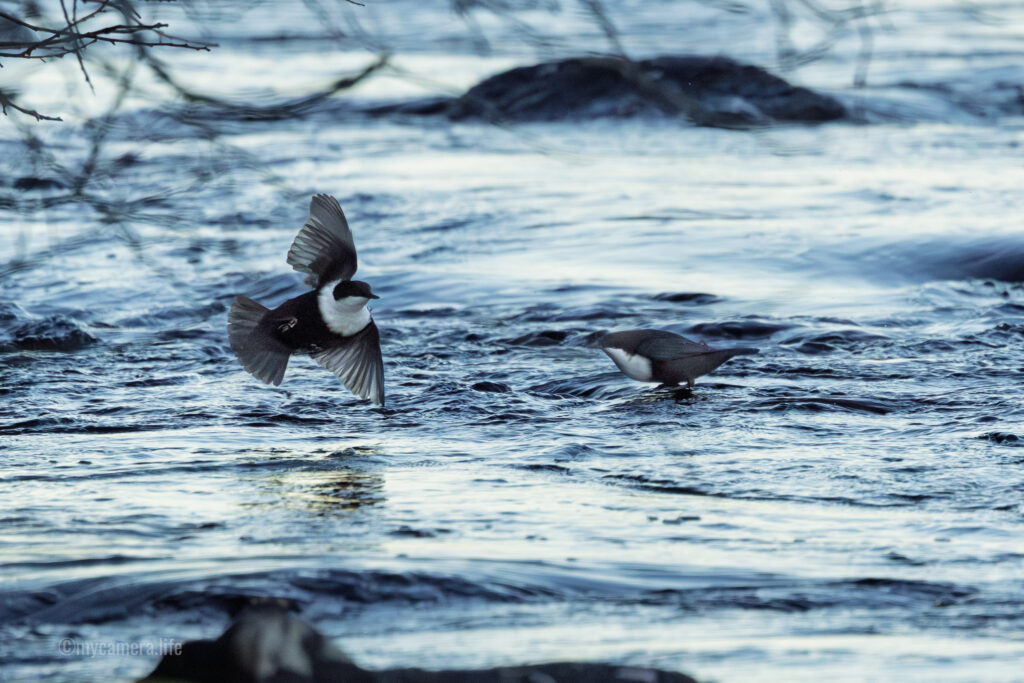
The White-throated Dipper is an exceptionally hardy bird. It can withstand severe cold, as long as the water remains unfrozen. I managed to capture several pleasing images, and overall it was a real pleasure to spend some time quietly observing the dippers going about their lives.
I have been considering a longer photography trip to this area for some time. This visit served mainly as a reconnaissance—to confirm the presence of the dippers—and that, in itself, is always a good sign for future trips.