
Valokuvauksen kehitys viime vuosikymmenten aikana on ollut merkittävä, ja erityisesti siirtyminen filmistä digitaalisiin kennoihin on muuttanut käsitystämme siitä, millaisissa olosuhteissa kuvaaminen on mahdollista. Monet asiat, jotka ennen olivat teknisesti tai käytännössä mahdottomia, ovat nyt arkipäivää.
Yksi suurimmista muutoksista liittyy valonherkkyyteen. Filmiaikana korkeat ISO-arvot olivat kompromissi: ne lisäsivät rakeisuutta ja heikensivät kuvanlaatua siinä määrin, että hämäräkuvaus vaati tarkkaa suunnittelua tai oli yksinkertaisesti rajoitettua. Nykyiset digitaaliset kennot pystyvät käsittelemään valoa huomattavasti tehokkaammin. Pikselirakenteet ovat kehittyneet, lukukohina on pienentynyt ja signaalinkäsittely on parantunut. Tämä tarkoittaa, että kameran herkkyyttä voi nostaa moninkertaisesti ilman, että kuva hajoaa käyttökelvottomaksi. Hämärässä kuvaaminen on siten siirtynyt marginaalista luontevaksi osaksi normaalia kuvaustyötä.
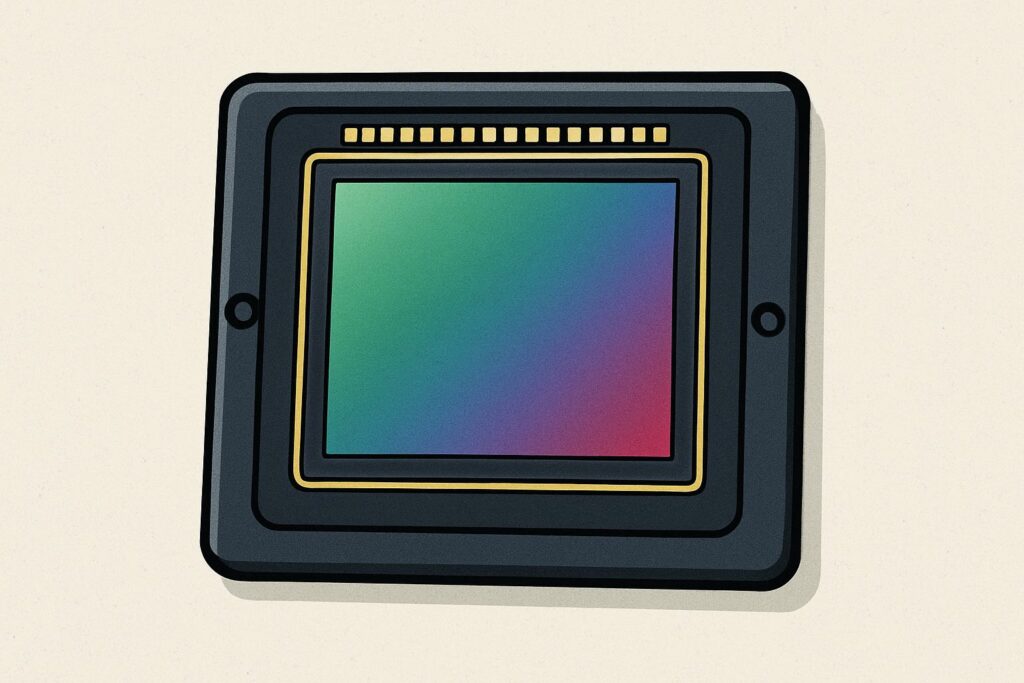
Toinen keskeinen kehitysaskel on dynaaminen alue. Filmillä varjojen ja huippuvalojen sävyjen talteenotto oli rajallista: puhkipalaneita alueita ei voinut palauttaa, ja tummat varjot menettivät helposti yksityiskohtansa. Digitaaliset kennot tallentavat huomattavasti laajemman sävyalueen, ja erityisesti RAW-formaatin mahdollisuudet ovat mullistaneet kuvankäsittelyn. Jälkikäsittelyssä varjoista voidaan nostaa esiin yksityiskohtia, jotka eivät olisi filmille tallentuneet, ja valoisista kohdista voidaan palauttaa tietoa ennen suljetun oven takana olleista sävyistä.
Lisäksi nykyiset ohjelmistot – niin perinteiset kuvankäsittelyohjelmat kuin tekoälypohjaiset menetelmät – parantavat lopputulosta entisestään. Kohinanpoisto on tarkempaa, sävyjen hallinta joustavampaa ja paikallinen kontrasti paremmin kontrolloitavissa. Lopputuloksena on kuva, joka heijastaa sekä kuvaustilanteen todellisia sävyjä että kuvaajan näkemystä huomattavasti tarkemmin kuin filmiaikana oli mahdollista.
Digitaalitekniikan ansiosta valokuvaaja ei ole enää yhtä sidottu olosuhteisiin. Hämärä, korkea kontrasti ja haastavat valaistusolosuhteet eivät nykyään muodosta samanlaista rajoitetta kuin ennen. Sen sijaan niistä on tullut mahdollisuuksia, joita moderni kamera ja kuvankäsittely voivat hyödyntää.
In English
The development of photography over recent decades has been significant, and the transition from film to digital sensors has fundamentally changed our understanding of what kinds of conditions are suitable for image-making. Many things that were once technically or practically unachievable have now become routine.
One of the most important changes relates to light sensitivity. In the film era, high ISO values were a compromise: they increased grain and reduced image quality to the point where low-light photography required careful planning or was simply too restrictive. Modern digital sensors, however, handle light far more efficiently. Pixel structures have improved, read noise has decreased, and signal processing has become more advanced. As a result, camera sensitivity can now be raised several stops without the image falling apart. Low-light photography has moved from being a niche challenge to a natural part of everyday photographic work.
Another key development is dynamic range. With film, the ability to retain detail in shadows and highlights was limited: blown highlights could not be recovered, and deep shadows often lost fine detail. Digital sensors capture a considerably wider tonal range, and the possibilities of RAW formats have transformed post-processing. Details that film could not record can now be recovered from shadows, and information from bright areas can be restored beyond what was previously possible.
Modern software tools – from traditional editors to AI-based methods – further enhance the end result. Noise reduction is more precise, tonal control is more flexible, and local contrast adjustments are more accurate. The final image can therefore reflect both the real tonal nuance of the scene and the photographer’s intent far better than was achievable with film.
Thanks to digital technology, photographers are no longer constrained by conditions in the same way. Low light, high contrast, and challenging illumination no longer present the limitations they once did. Instead, they offer creative possibilities that modern cameras and post-processing tools can fully utilize.